 News
News Media About Us
 Useful Articles
 Promotions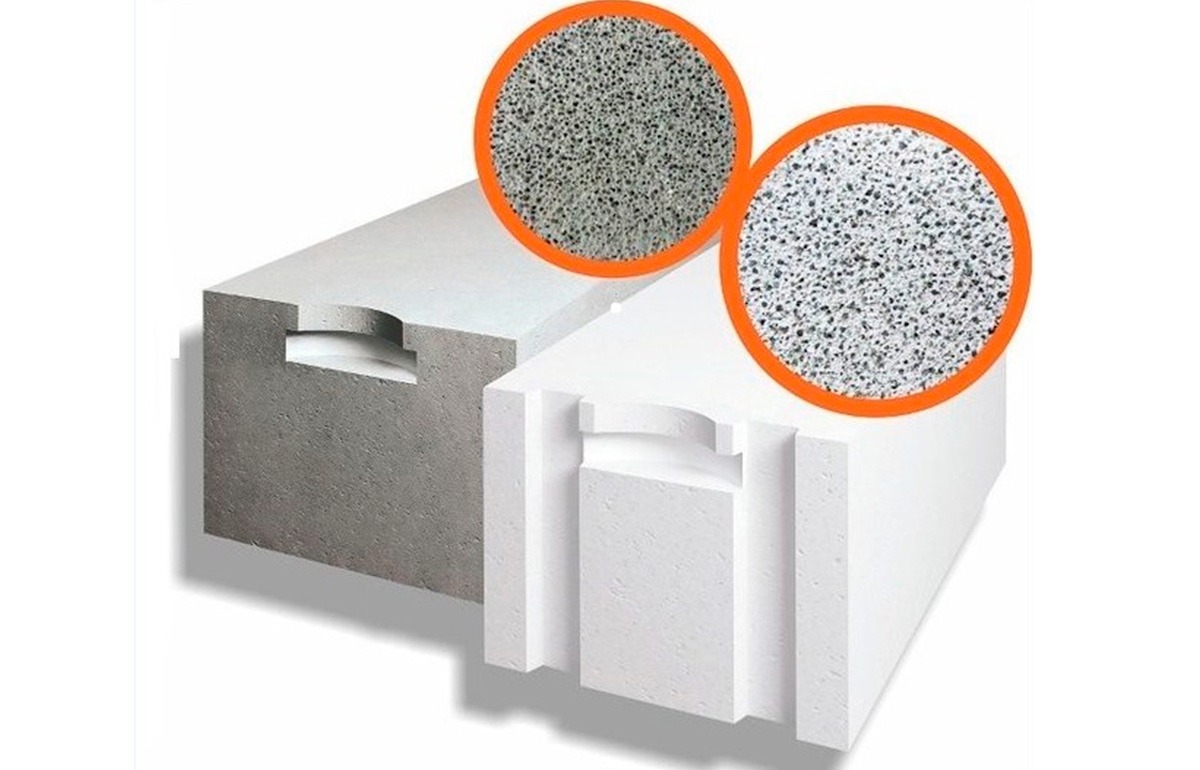
Aerated concrete, widely used in construction, can be of two types: autoclaved and non-autoclaved. Understanding the differences between them helps to determine which material is better suited to the specific needs of the construction site. Let's consider how these types differ, and what you should pay attention to when choosing the best option for this or that object.
Features of autoclaved and non-autoclaved aerated concrete
Autoclaved and non-autoclaved aerated concrete have significant differences that determine their characteristics and scope of application. Let's focus on the main points, which will allow you to make the right choice depending on the specifics of the construction object.
Autoclaved aerated concrete
- Manufacturing process. Autoclaved aerated concrete is produced under conditions of high pressure and temperature using autoclaves. These are special chambers where the blocks are subjected to steam treatment.
- Density and strength. Autoclaved aerated concrete is usually denser and stronger compared to non-autoclaved concrete. This makes it preferable for use in load-bearing structures.
- Application. It is most often used in areas where high strength and load resistance are required, such as load bearing walls and partitions.
Non-autoclaved aerated concrete
- Manufacturing process. Produced without the use of autoclaves. The process is based on the reaction of aluminum powder and alkali, which leads to the release of hydrogen and the formation of pores on the surface of the blocks.
- Density and strength. Generally less dense and less strong, but lighter in weight. Suitable for locations where lightweight construction is important.
- Application. Used where high strength is not required, such as in interior finishing, insulation, or lightweight partitions.
The choice between autoclaved and non-autoclaved aerated concrete depends on the specific requirements of the construction site. Autoclaved aerated concrete is suitable for load-bearing structures where high strength is important, while non-autoclaved aerated concrete is effective in lightweight structures where lightness of the material is important. Knowing these differences helps to make the right choice, ensuring optimum performance of the building materials.


